
Roman & Greek Busts
Roman emperors and Greek figures hand-cast in natural plaster by Atelier Article in Ukraine. Custom colours are available for existing sculpture forms.
Filter
Sort by:
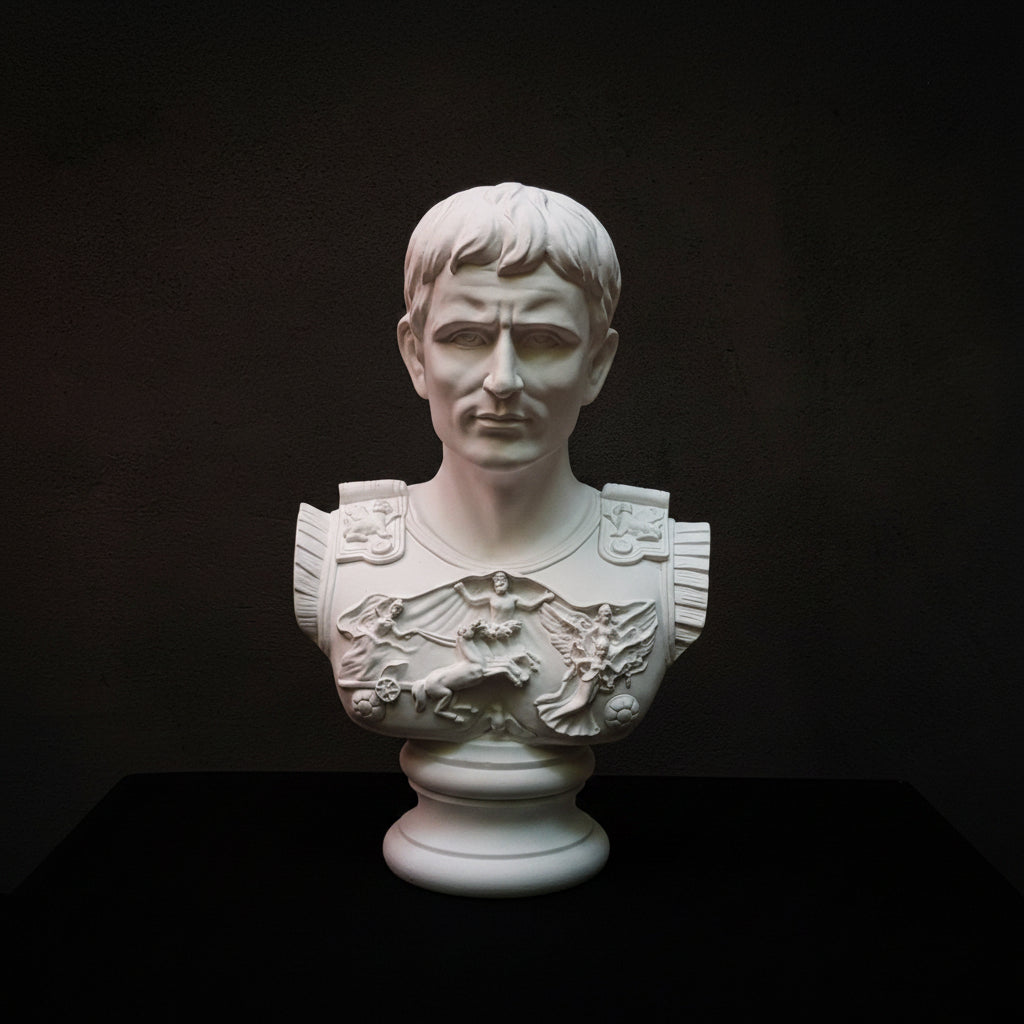
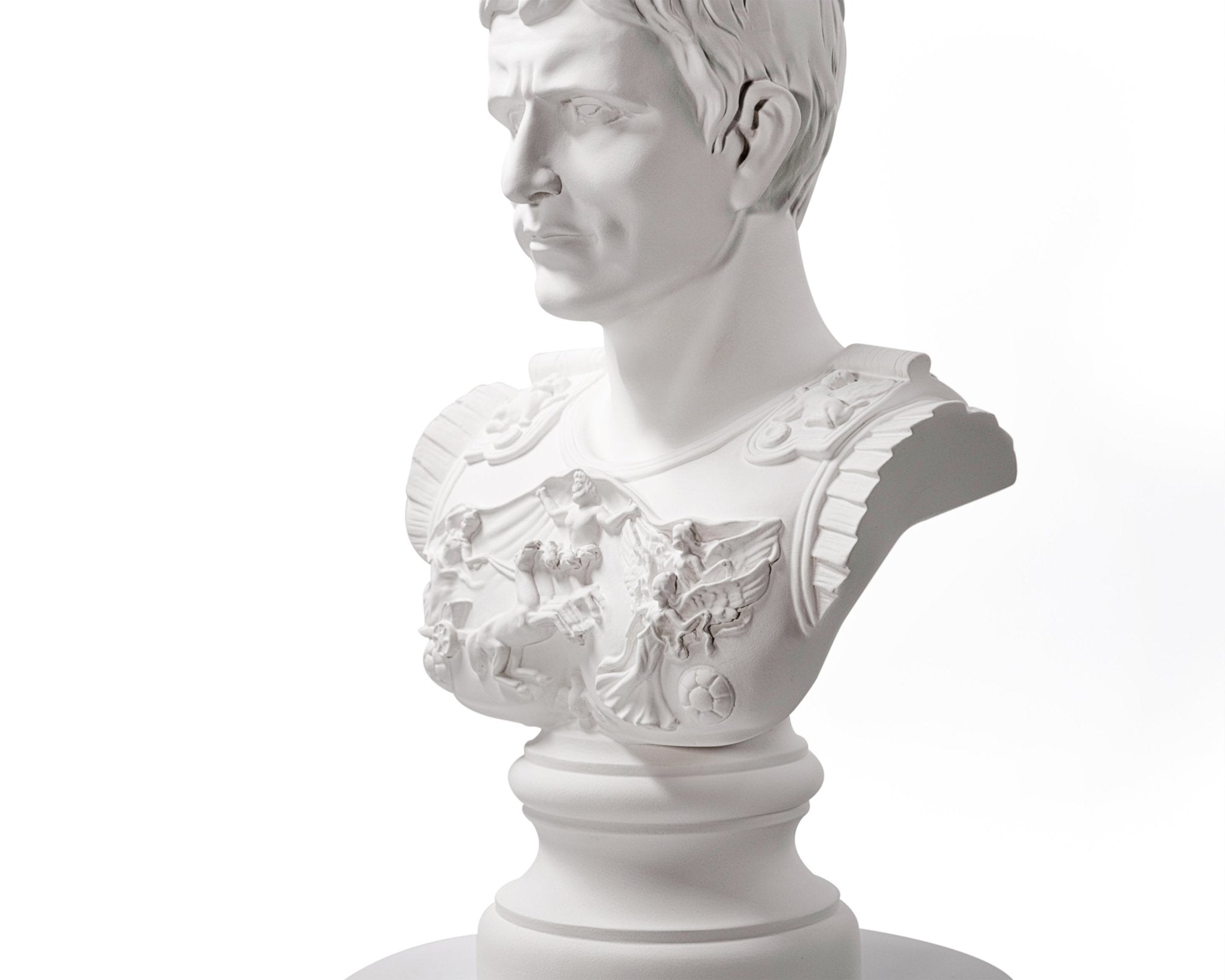

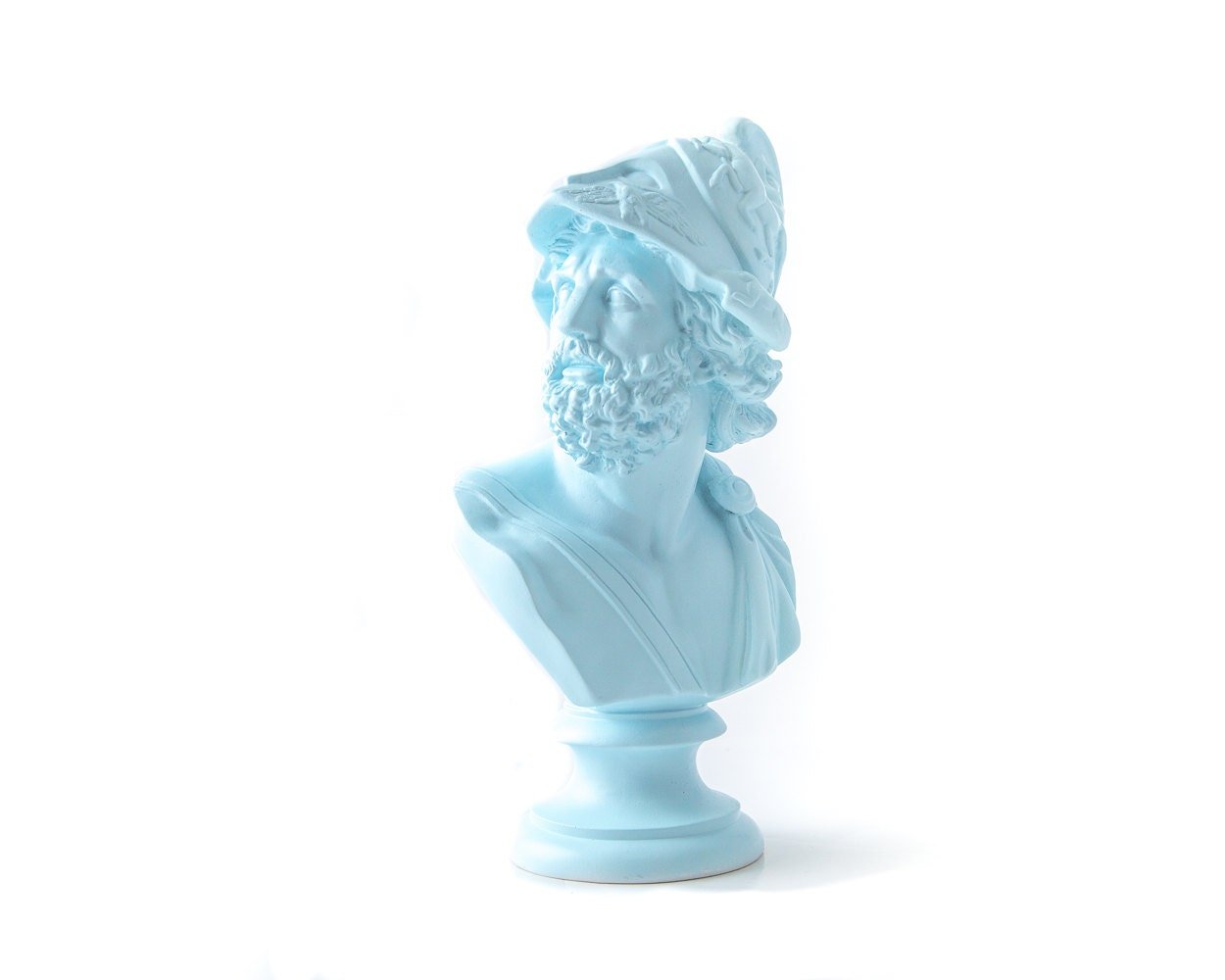
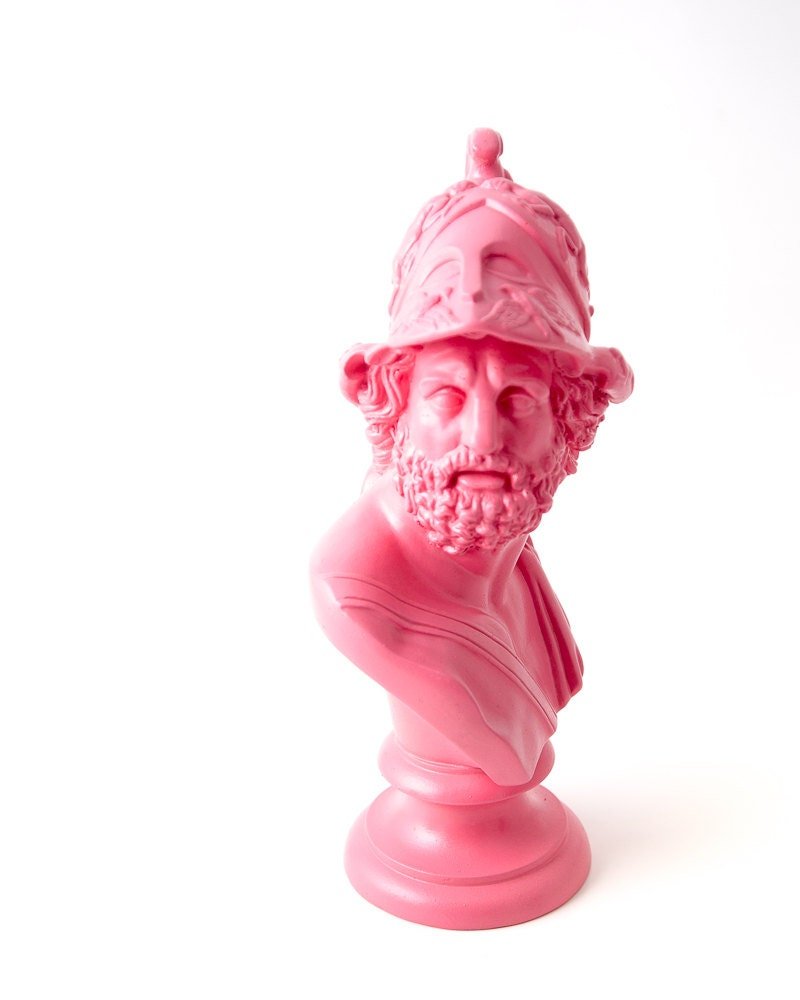
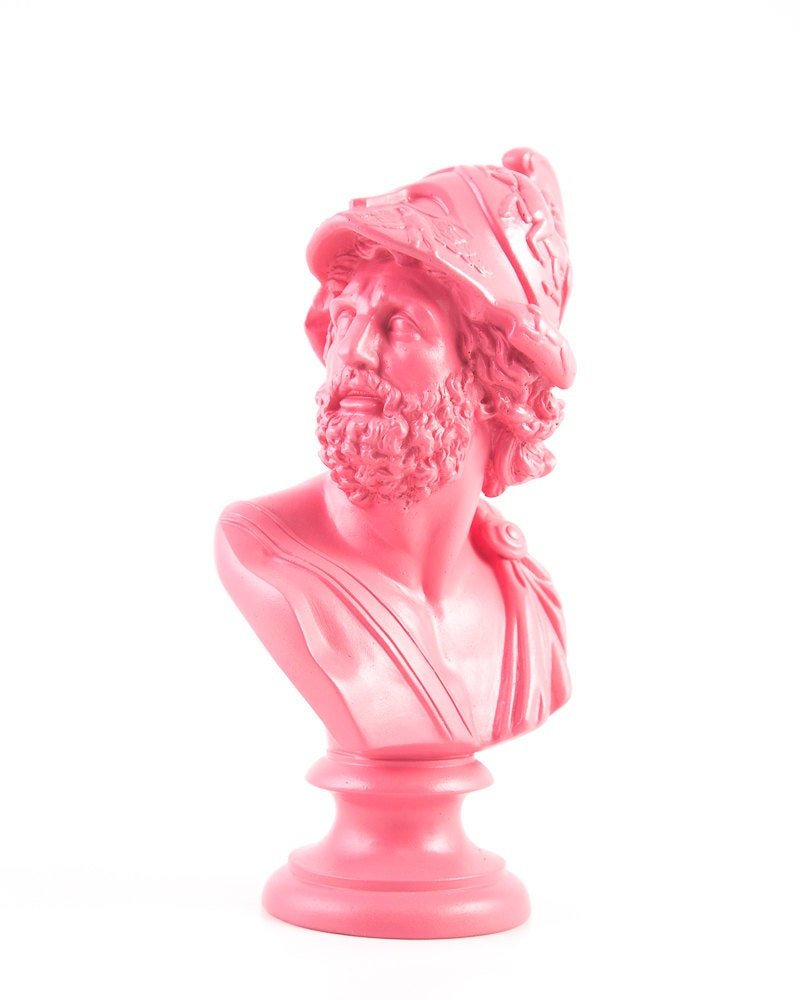
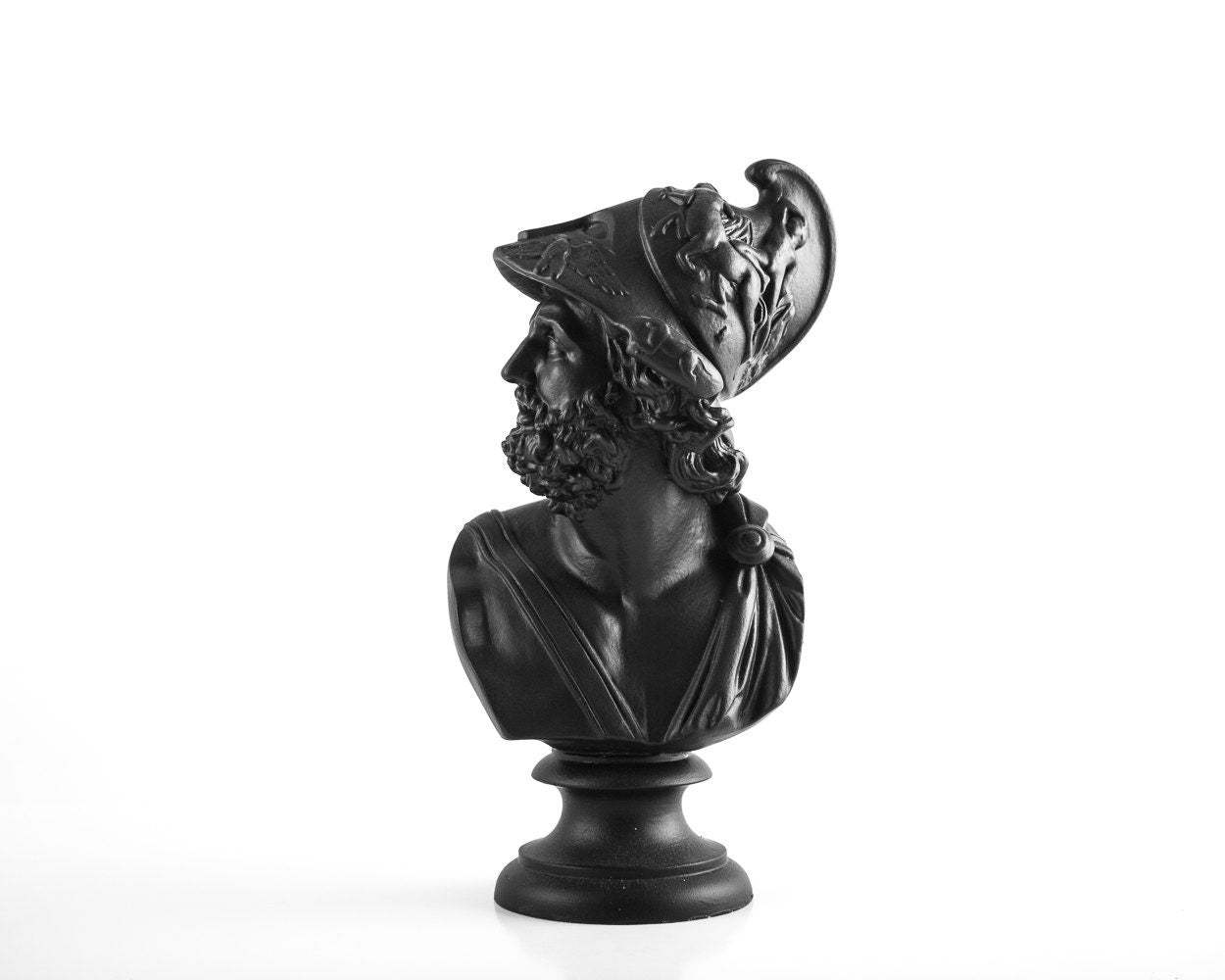
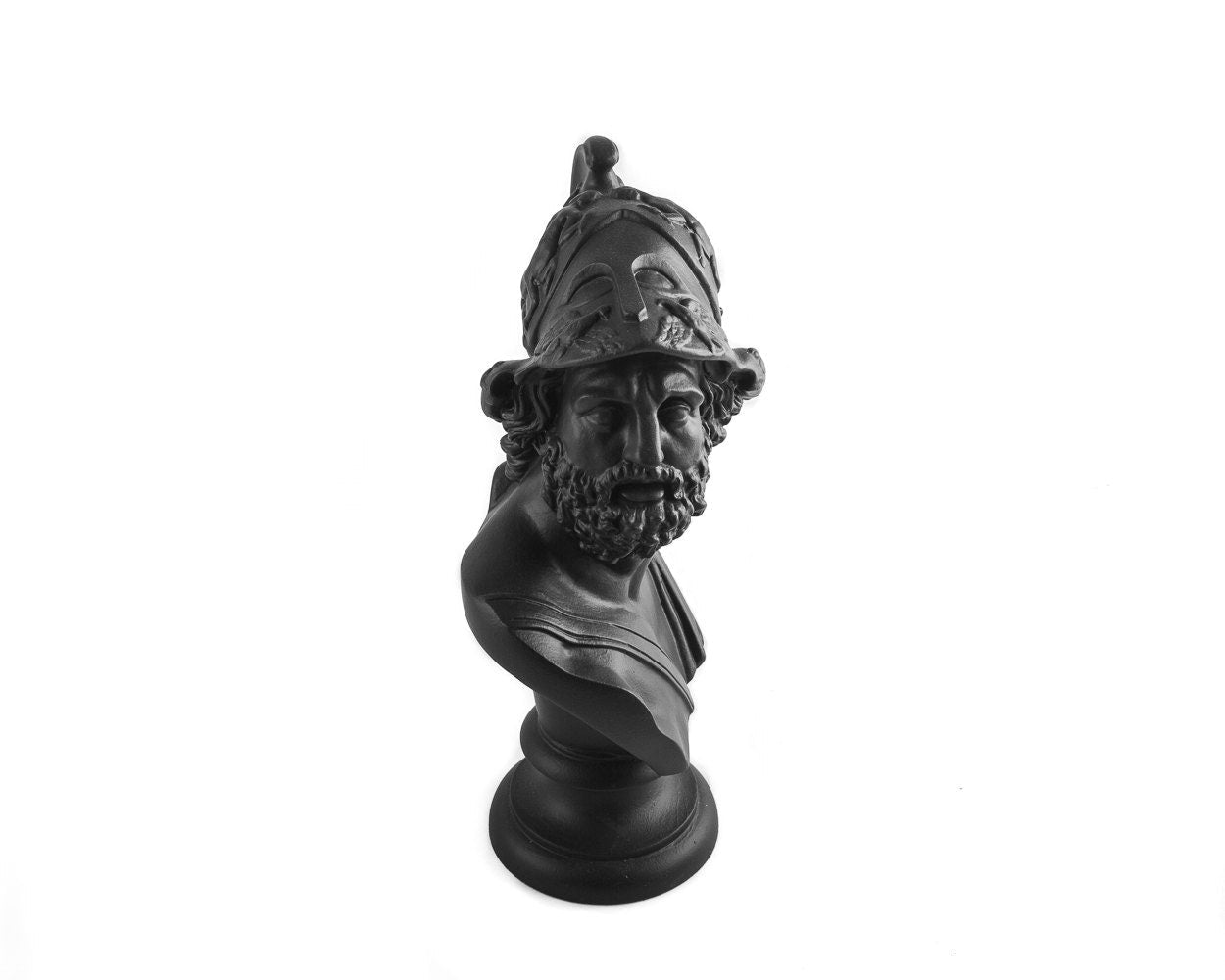
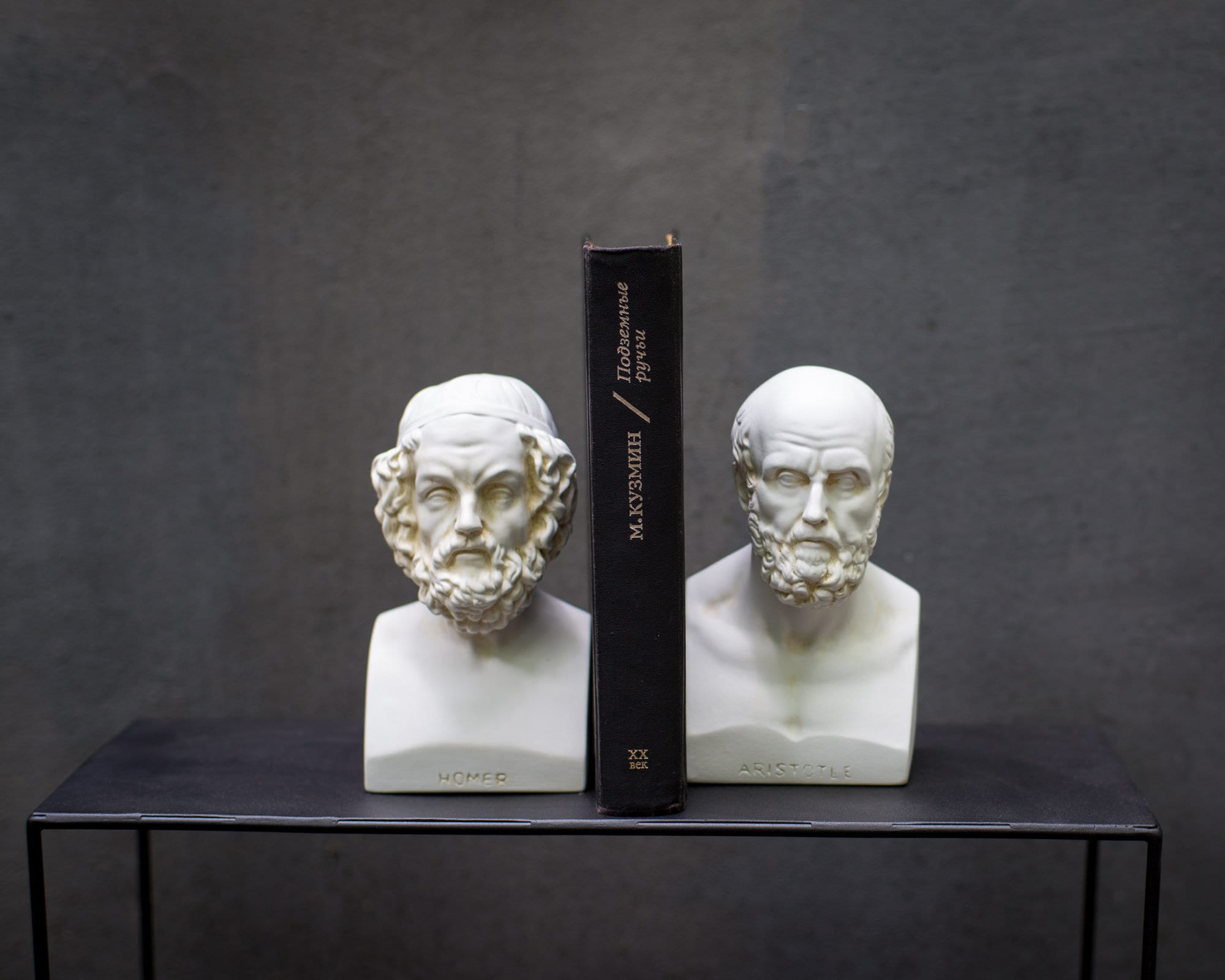
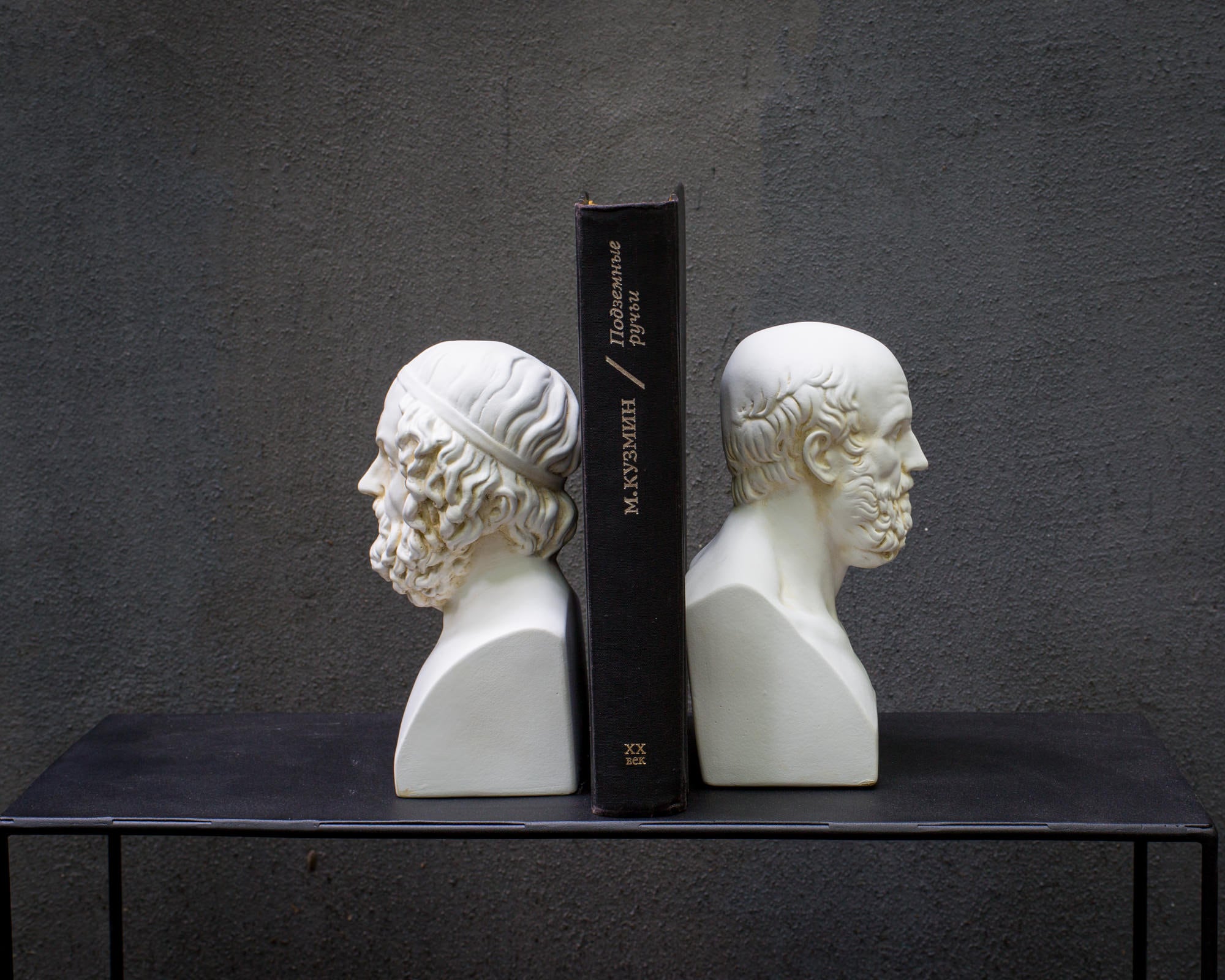
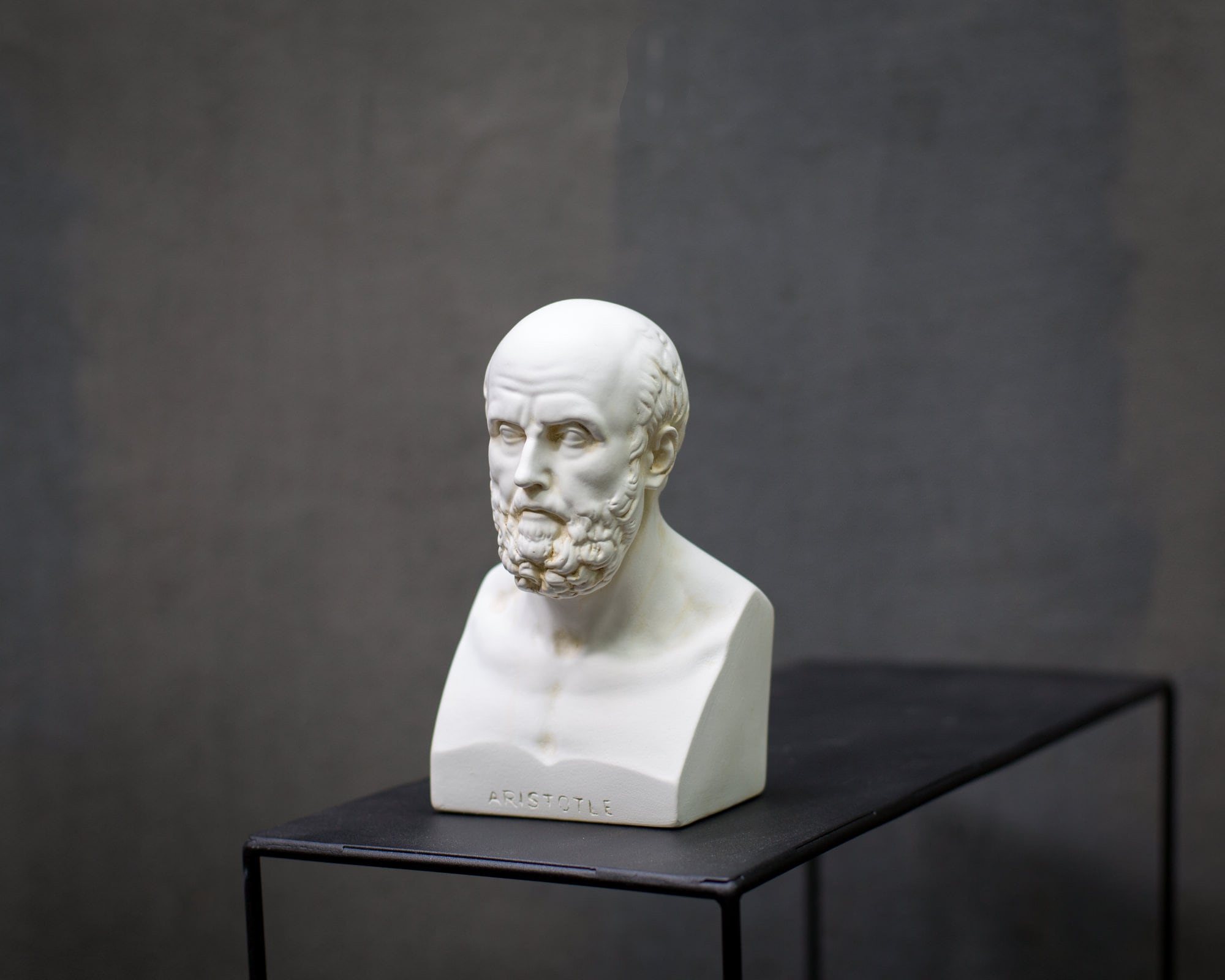
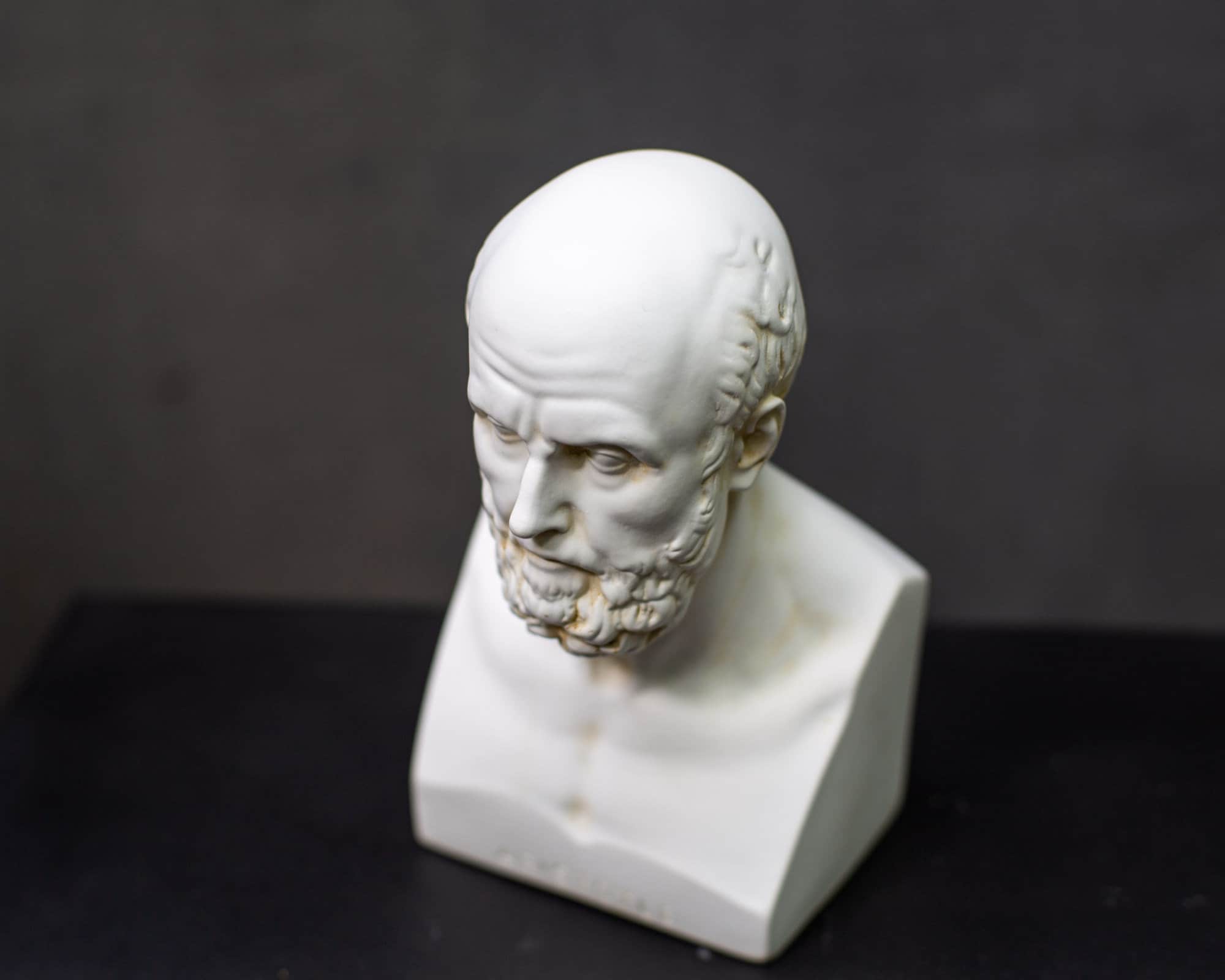
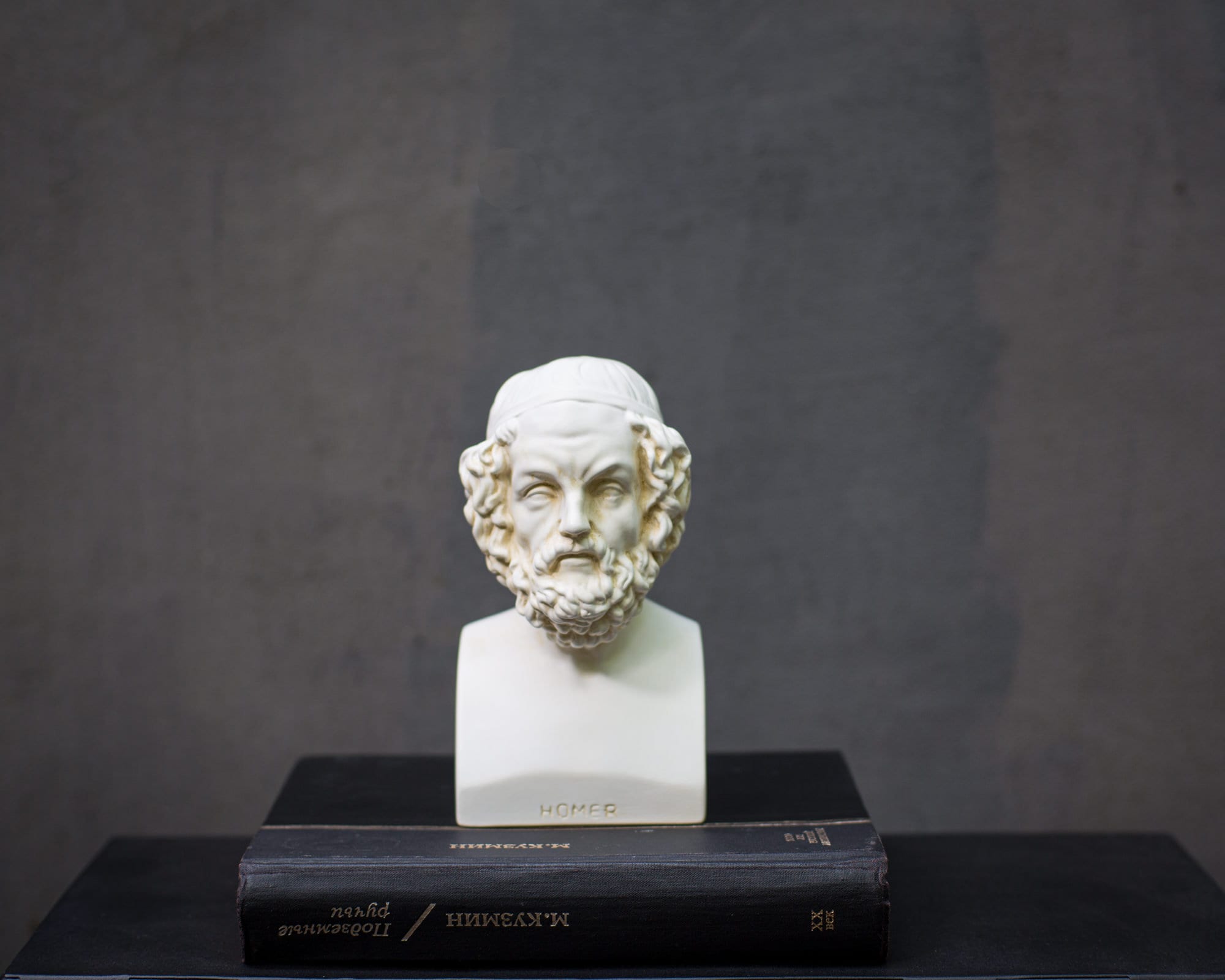
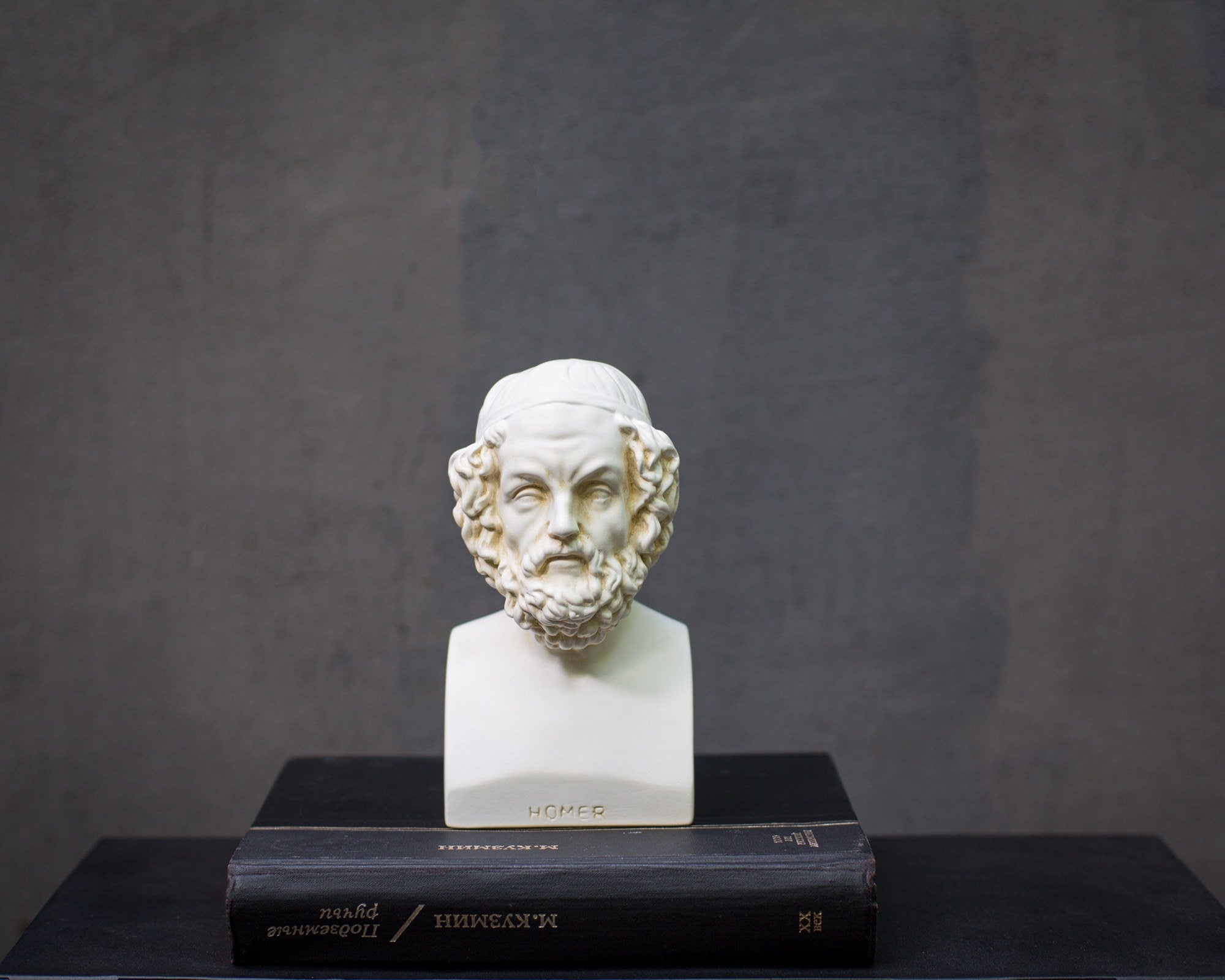
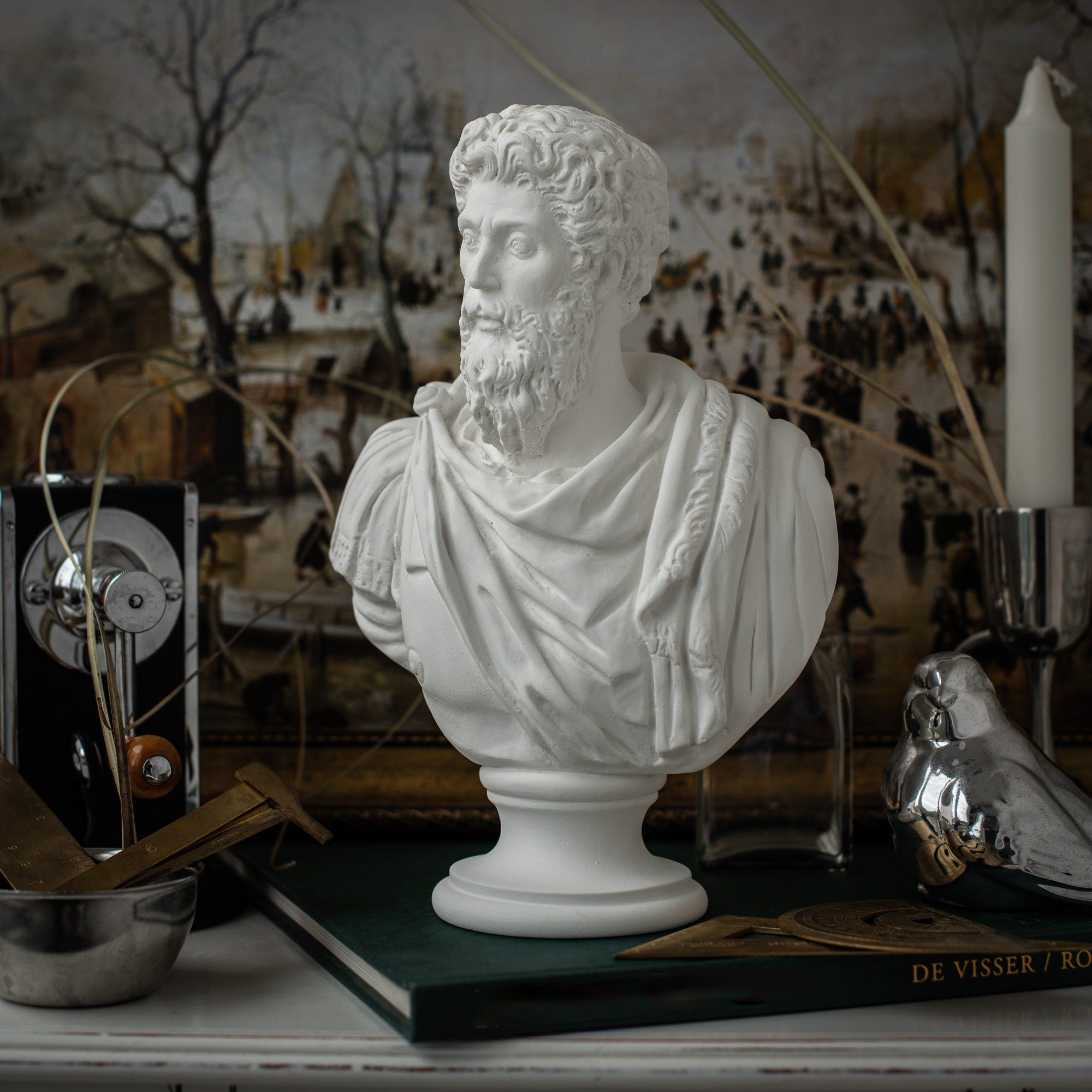
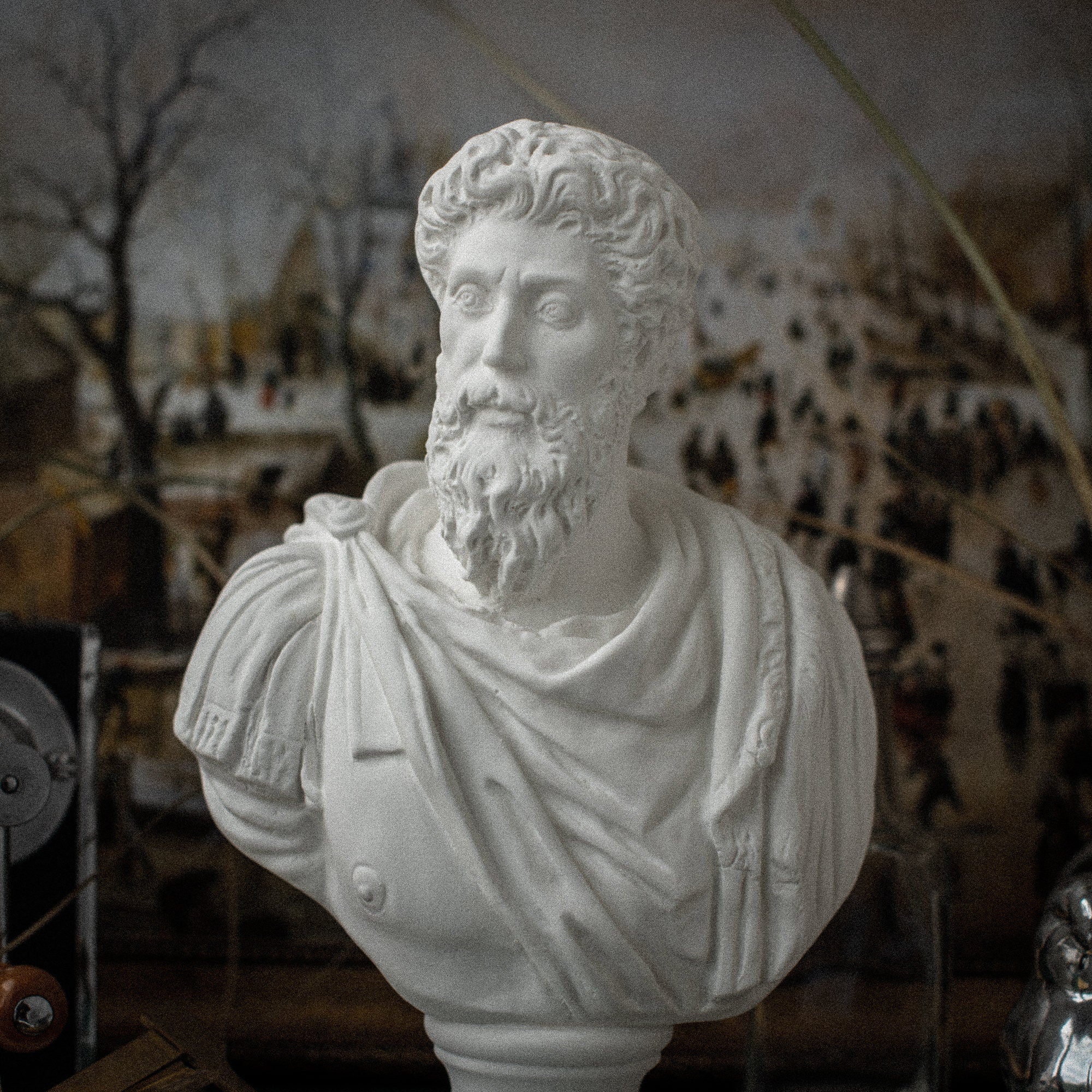
Atelier Article hand-casts Roman and Greek busts in natural, gypsum-based plaster in our Cherkasy, Ukraine workshop. This collection brings together Roman emperors, Greek rulers, poets and philosophers as decorative sculptures and functional bookends. Each piece is demoulded and finished by hand, so small surface variations are part of the handmade character.
Which Roman or Greek bust should you choose?
For a substantial desk, mantel or console sculpture, compare the Marcus Aurelius, Julius Caesar and Menelaus busts. Marcus Aurelius suits Stoic, philosophical and Roman-history settings; Julius Caesar has a larger military presence; Menelaus combines a classical Greek form with several available finishes.
For a library or working bookshelf, the Homer and Aristotle sculptures can be ordered individually, while the Homer and Aristotle pair provides coordinated support for books. Check each product page for exact dimensions, finish choices and current availability.
What is a Roman or Greek bust?
A bust is a sculpture showing a person’s head and upper torso, sometimes including the shoulders or chest. Classical busts were used to represent rulers, philosophers, writers and other notable figures. These Atelier Article pieces interpret existing historical and classical forms as plaster objects for contemporary interiors; they are decorative reproductions, not archaeological artefacts.
Natural plaster and hand-finished colour
These sculptures are made from real plaster rather than resin or plastic. Depending on the model, the standard surface may be natural plaster or a hand-applied painted finish. Plaster is intended for indoor display: keep it away from moisture and edges, and remove dust with a dry, soft cloth.
Custom colours use existing sculpture forms
Atelier Article accepts custom finish requests. We can paint an existing Roman or Greek bust in a different colour or adapt its surface finish when technically feasible. We do not currently create a new sculptural form, portrait or mould to order. Send the workshop a RAL code, hex value or reference photo before purchasing; feasibility, price and lead time are confirmed before the order is placed.
Prepared by the Atelier Article workshop in Cherkasy, Ukraine. Updated August 11, 2026.
Frequently asked questions
What is a Roman or Greek bust?
A bust is a sculpture of a person’s head and upper torso, sometimes including the shoulders or chest. Classical busts traditionally represented rulers, philosophers, writers and other notable figures. Atelier Article makes decorative plaster reproductions of existing classical and historical forms.
Are these busts plaster or resin?
They are hand-cast from real, gypsum-based plaster — not resin or plastic. Each piece is demoulded and finished by hand in the Atelier Article workshop in Cherkasy, Ukraine.
Can I request a Roman or Greek bust in another colour?
Yes. Atelier Article can paint an existing sculpture in another colour or adapt its surface finish when technically feasible. Send the workshop a RAL code, hex value or reference photo before ordering. Feasibility, price and lead time are confirmed before purchase.
Can Atelier Article create a new portrait or sculpture form?
No. Customisation for this collection is limited to the colour and surface finish of existing sculpture forms. Atelier Article does not currently create a new portrait, sculptural form or mould to order.
How should I care for a plaster bust?
Keep the bust indoors and away from moisture, edges and high-traffic areas. Remove dust with a dry, soft cloth and do not wash the plaster surface with water.